This website use cookies to ensure you get the best experience on our website
Mind Genomics Academy is built on a simple idea: anyone can learn how human decisions really work. People come to this science from many directions, so we’ve created clear starting points for the audiences who use it most. Young explorers, educators, community organizers, small business owners, political strategists, job seekers, and lifelong learners all find practical value here. Marketers, researchers, nonprofit leaders, healthcare teams, and product innovators also use Mind Genomics to understand what drives choices in their world. Each pathway helps you see hidden patterns, uncover mindsets, and apply this knowledge in ways that matter.
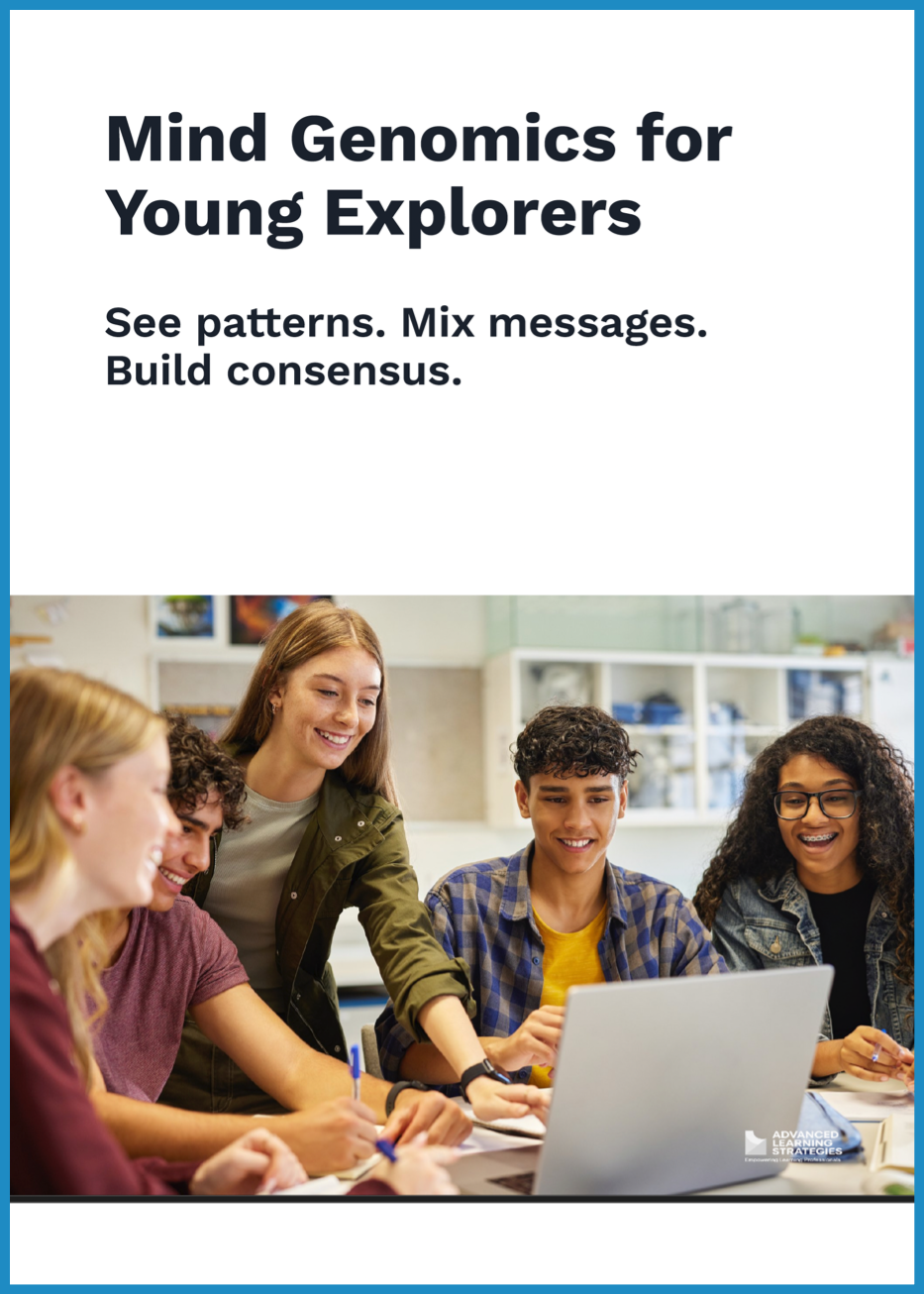
What if you could decode the way people think? Mind Genomics gives young learners a simple, hands-on way to see the hidden patterns behind everyday choices — why a message lands, why a joke works, why a poster inspires action. It turns curiosity into a superpower by showing how small ideas, mixed like ingredients in a recipe, shape what people feel and do.
Mind Genomics for Young Explorers introduces students to the science of how people make decisions, using real-world examples they recognize from daily life. Learners discover how messages shape reactions, how to mix ideas into “vignettes,” and how to see patterns that reveal what truly moves people. The training explains the core powers of Mind Genomics — finding hidden drivers, identifying mindsets, predicting choices and building consensus through thoughtful message design (pages 3–25). It ends by giving learners simple tools, including BimiLeap, to experiment on their own and use these insights to solve problems at school, in their communities and in creative projects (page 25)
Link to PDF
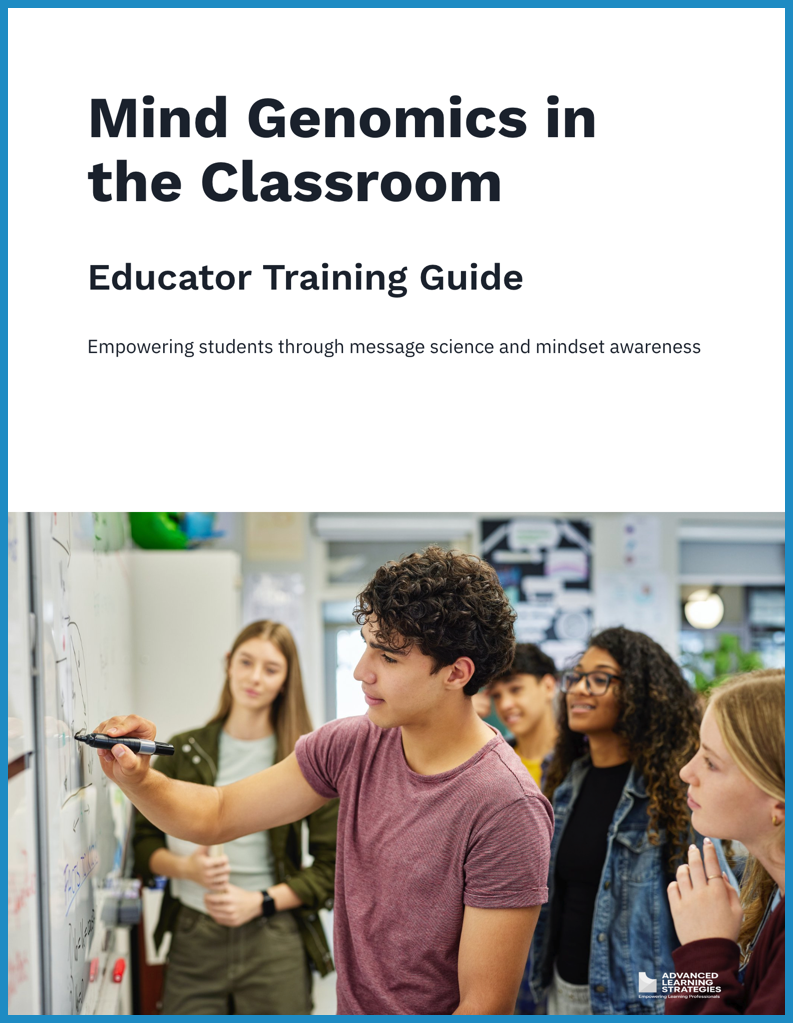
Mind Genomics gives educators a practical way to teach students how to think, not just what to think. It turns everyday messages — texts, posters, videos, conversations — into opportunities for inquiry, pattern-finding, and evidence-based decision making. With simple classroom-ready tools, teachers can help students uncover the hidden logic behind choices, build empathy for different mindsets, and design solutions that reflect the diverse ways people process information. It’s science, critical thinking and human behavior rolled into one accessible approach.
This curriculum introduces teachers to a structured, classroom-ready approach for helping students explore how messages shape reactions and decisions. Using relatable examples from daily student life, the guide shows educators how to teach core Mind Genomics concepts: identifying influential messages (pages 3–7), mixing ideas into experimental “vignettes” (pages 7–9), and revealing the drivers that shape what students feel and choose (pages 11–13) .
Educators learn how to guide students through analyzing patterns of thought called mindsets — distinct ways people interpret the same information (pages 19–20). These insights help teachers foster empathy, support differentiated learning and encourage more thoughtful collaboration in group work. The final module shows how Mind Genomics can help students build consensus, design better projects, and solve shared problems using evidence rather than opinion (pages 24–25). With tools like BimiLeap, the entire process becomes fast, intuitive and highly engaging.
Link to PDF
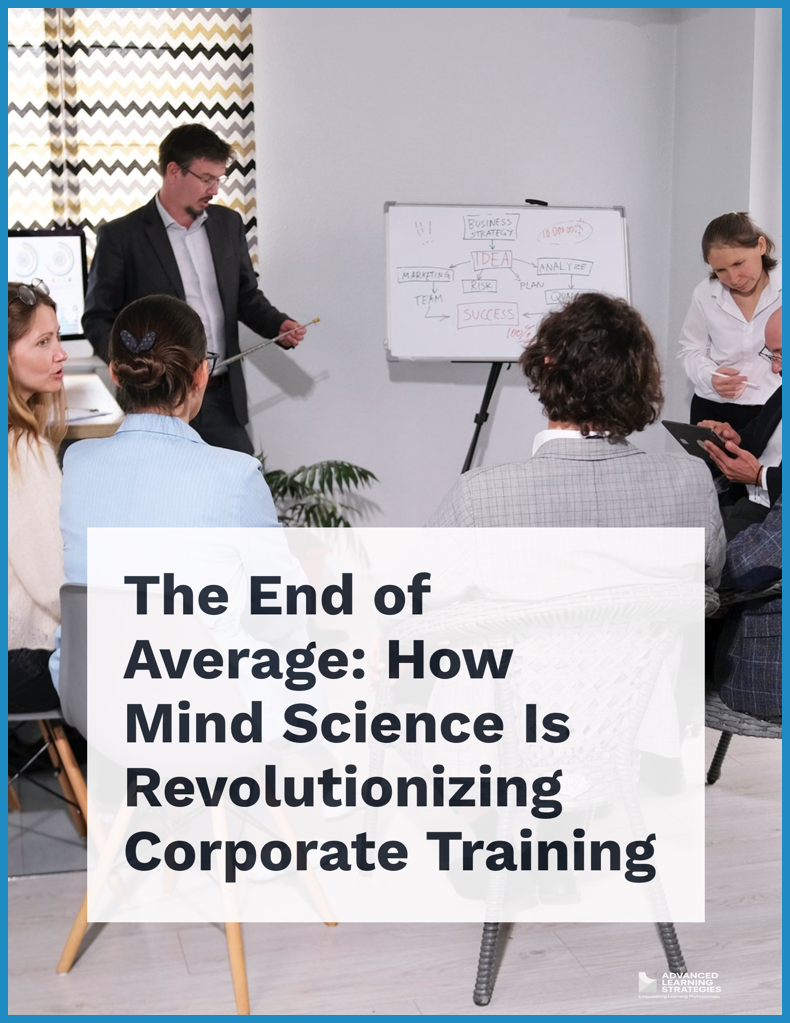
Corporate training fails when it’s designed for an “average learner” who doesn’t exist. Mind Genomics replaces that guesswork with evidence. It uncovers the hidden mindsets inside your workforce and shows which messages and learning elements truly drive engagement. Instead of one-size-fits-none programs, L&D teams can design precise learning experiences that match how people actually think — fast, scalable, and grounded in real behavior.
This curriculum gives L&D leaders a science-based way to understand the diverse thinking styles within their organization. Mind Genomics reveals cognitive mindsets — as shown in the study of C-level executives, where two distinct groups emerged despite similar roles: “New Seekers” and “Process Oriented” thinkers (page 6). These findings mirror what happens in corporate learning: employees vary widely in what motivates them.
Using vignette-based testing, L&D teams can discover what actually lifts engagement, even when employees can’t articulate their preferences (page 9). Finally, a Personal Viewpoint Identifier (PVI) enables personalization at scale by routing each learner to the version of a course designed for their mindset (page 16). The result is more relevant, effective training with measurable impact.
Link to PDF
Sign up for updates to Mind Genomic learning activities
Thank you for subscribing!
Have a great day!